
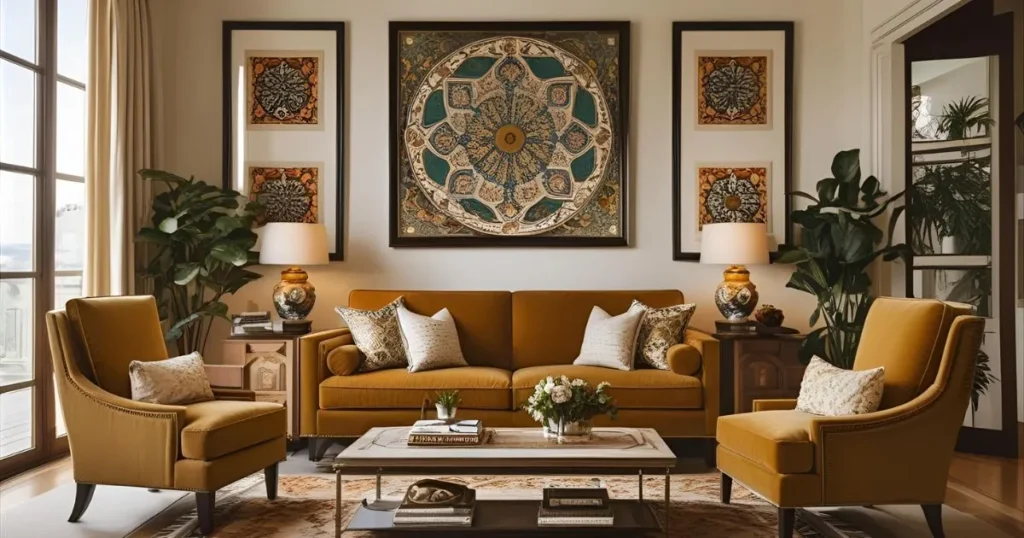
In a world where sleek minimalism often dominates interior design, tactile textures provide a welcome counterbalance. Integrating cashmere, linen, wool, velvet, and cerused wood into your home doesn’t just elevate aesthetics, it transforms your space into a cozy sanctuary. Touchable surfaces encourage human connection, comfort, and a sense of belonging, making every room both inviting and sophisticated.
By thoughtfully layering textures, you create a multi-sensory experience where visual appeal meets tactile pleasure. This approach ensures that even minimalist interiors feel warm, dynamic, and approachable.
In addition, textures bring personality and storytelling to your home. Each fabric, fiber, and finish carries its own history and character, handwoven wool reflects craftsmanship, weathered wood tells of time, and sculpted ceramics embody artistry. By combining these elements thoughtfully, you create spaces that feel authentic, lived-in, and uniquely yours, where every touch sparks curiosity and every glance reveals depth.
Why Texture Matters in Home Design

Texture is more than a visual element; it influences how we experience space. Homes with varied tactile surfaces feel lived-in, welcoming, and balanced. When paired with thoughtful lighting and color palettes, textures can:
- Soften harsh architectural lines
- Encourage relaxation and comfort
- Create visual depth without clutter
- Enhance the sense of personal style
By blending natural fibers, hand-finished wood, and soft textiles, homeowners craft spaces that appeal to both sight and touch, fostering intimacy and functionality.
Foundational Textures: Rugs and Flooring
Bare floors can feel stark and acoustically harsh. Layering natural fiber rugs from handwoven wool dhurries to sisal runners softens sound, warms feet, and defines spaces. Consider:
- Wool and cotton dhurries: Perfect for insulation and softness in bedrooms or living areas
- Sisal and seagrass runners: Durable, low-maintenance options for high-traffic zones
- Layering rugs: Combine different textures and pile heights to create visual interest and functional zones
Practical Tip:
Rotate rugs seasonally to prevent wear and maintain vibrancy. Opt for washable natural fibers in everyday areas for both practicality and tactile enjoyment.
Textile Layering: Sofas, Throws, and Bedding
Soft textiles bring warmth and personality to your home. Layering throws, cushions, and blankets creates a sense of abundance and comfort. Key strategies include:
- Bouclé, chenille, and velvet cushions: Offer deep tactile pleasure while enhancing visual appeal
- Hand-crocheted wool throws: Provide functional warmth and a human touch
- Weighty cashmere coverlets: Encourage luxurious relaxation and elegant bedding aesthetics
Practical Tip:
Place contrasting textured smooth linen with nubby wool or velveton seating or beds to heighten sensory richness and invite interaction.
New Ideas: Best Wall Colors for Gray Carpet Rooms
Wood and Patina: Character Through Time
Glossy finishes can create distance, while unfinished or wire-brushed wood feels approachable and alive. Natural wood tones enrich interiors by:
- Highlighting grain patterns and imperfections
- Encouraging touch and exploration
- Providing warmth and organic depth
Consider cerused oak dining tables or unlacquered walnut countertops, allowing patinas to develop over years of use. Each mark adds story and character, making furniture a living piece of art.
Practical Tip:
Mix old and new wood pieces to balance age and modernity, creating dynamic interiors without overwhelming consistency.
Window Treatments: Sheers and Drapes
Layered window coverings add both functionality and tactile depth. Pair light, airy sheers with dense velvet drapes or wooden shutters to:
- Filter sunlight gracefully
- Provide privacy and insulation
- Introduce visual contrast and texture
In bedrooms, heavy drapes offer blackout capabilities, while sheers maintain an ethereal, floating quality during the day.
Sculptural Ceramics: Art You Can Touch

Ceramics bridge the gap between utility and art. Handmade vessels and hand-thrown raku pieces:
- Showcase unique glazes and firing techniques
- Encourage hands-on exploration of textures
- Add visual and tactile storytelling to spaces
Display robust, tactile pieces where they can be appreciated up close, enhancing both decor and interaction.
Practical Tip:
Rotate ceramic displays seasonally or thematically to maintain visual freshness and tactile interest.
Layering Techniques for Maximum Impact
Creating a texturally rich home requires intentional layering:
- Base layers: Rugs and foundational textiles anchor spaces
- Mid layers: Furniture upholstery and throws create visual and tactile contrast
- Accent layers: Cushions, ceramics, and accessories introduce movement and surprise
Combine soft fabrics with hard surfaceslike wool throws on wooden benchesto balance warmth and structure.
Balancing Minimalism and Texture
Even minimalist homes benefit from tactile accents. Strategically placed textures:
- Prevent spaces from feeling cold or sterile
- Encourage human connection through touch
- Maintain clean lines while adding richness
Example combinations include: white linen sofas with wool throws, wooden benches with sheepskin accents, or neutral walls with layered ceramics.
Natural Elements and Sustainability
Incorporating eco-conscious materials not only benefits the planet but also enhances tactile richness:
- Sustainable wood: Bamboo, reclaimed oak, or walnut
- Natural fibers: Organic cotton, wool, sisal, seagrass
- Non-toxic finishes: Maintain healthier living spaces without sacrificing style
Sustainable selections provide lasting beauty while ensuring your home remains environmentally responsible.
Lighting to Enhance Texture

Proper lighting amplifies textures:
- Soft ambient light: Highlights tactile surfaces subtly
- Directional lighting: Accentuates the depth of wood grain, woven textiles, and ceramics
- Natural light: Changes throughout the day, interacting with textures dynamically
Practical Tip:
Use layered lighting, floor lamps, sconces, and natural windows to enhance the perception of depth and warmth.
New Ideas: Personal Touch Minimalist Decor Ideas That Inspire
Furniture Placement for Tactile Flow
Textures come alive when furniture is arranged for interaction and comfort:
- Seating clusters: Encourage conversation and tactile engagement
- Textured surfaces at touchpoints: Place throws, cushions, and ceramics where hands naturally rest
- Open pathways: Ensure spaces feel inviting without clutter
Conclusion
Integrating tactile textures, natural elements, and layered textiles transforms interiors from mere rooms into immersive experiences. By thoughtfully combining wood, textiles, ceramics, and light, you create spaces that are both beautiful and deeply inviting.
A tactile home is not just about decoration, it’s about human connection, sensory engagement, and comfort. Every surface tells a story, every texture invites touch, and every carefully chosen element enriches the daily life of those who inhabit it.
Embrace textural diversity, layered textiles, and natural finishes to cultivate a home that is simultaneously luxurious, functional, and soulful.

Hi, I’m Lauren Reynolds. Dedicated to sharing playful and romantic lines, I aim to help you connect and make every conversation a bit more fun.