
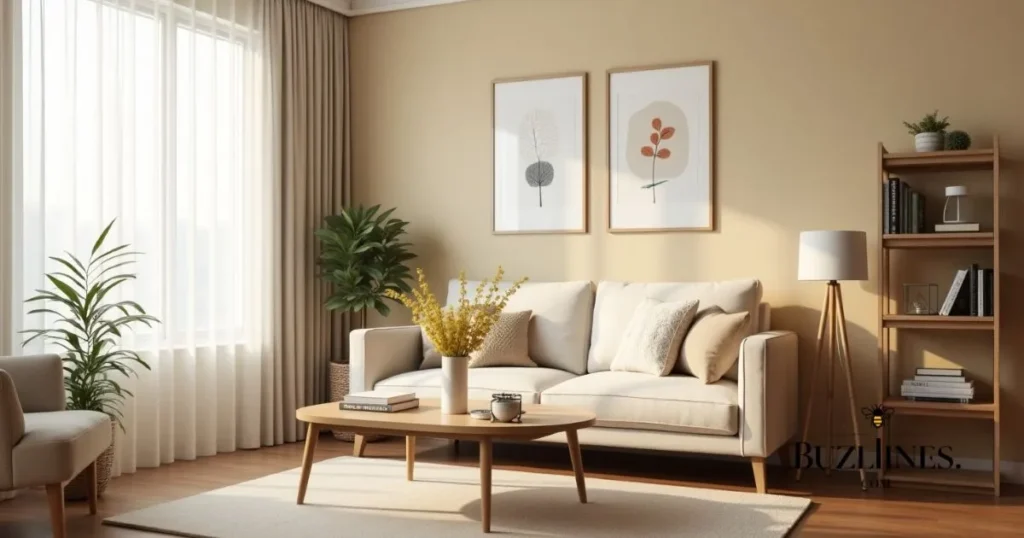
Creating a cozy, functional, and visually spacious living room in a small area isn’t just possible, it’s a stylish triumph. When space is limited, each design decision matters more. When you’re furnishing a small apartment, condo, or an older home with tight square footage, a smart layout and intentional design can make your living room both welcoming and practical.
In this guide, you’ll learn how to transform a small living room into a serene retreat using principles of interior design, visual balance, and multifunctional living. With strategic use of furniture, textures, lighting, and color, you can unlock the potential of even the most compact living areas.
Optimize Furniture Layout for Flow and Function
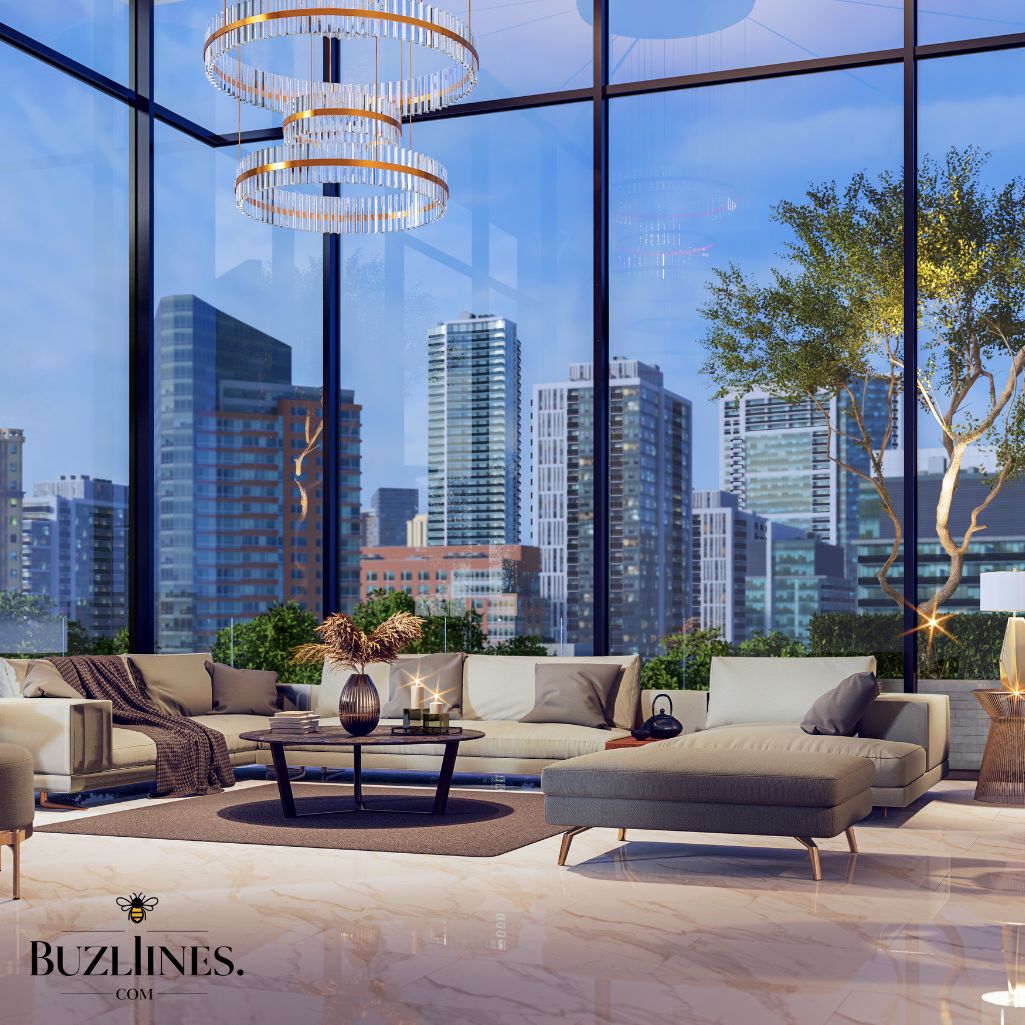
Arranging your furniture is the foundation of how your room functions. In small spaces, every inch counts, so you need to prioritize clear walkways and clever spacing.
Anchor Large Pieces Strategically
Position your sofa or sectional against a wall to maximize floor space. This opens the room and creates a focal point for your layout.
Avoid Blocking Natural Pathways
Keep high-traffic lanes clear. Floating furniture may work in larger rooms, but in a small living room, ensure chairs and tables don’t obstruct movement.
Use Area Rugs to Define Zones
Layering rugs helps create visual separation between the seating area and other elements, like a small work nook or media center.
Use Multifunctional and Compact Furniture
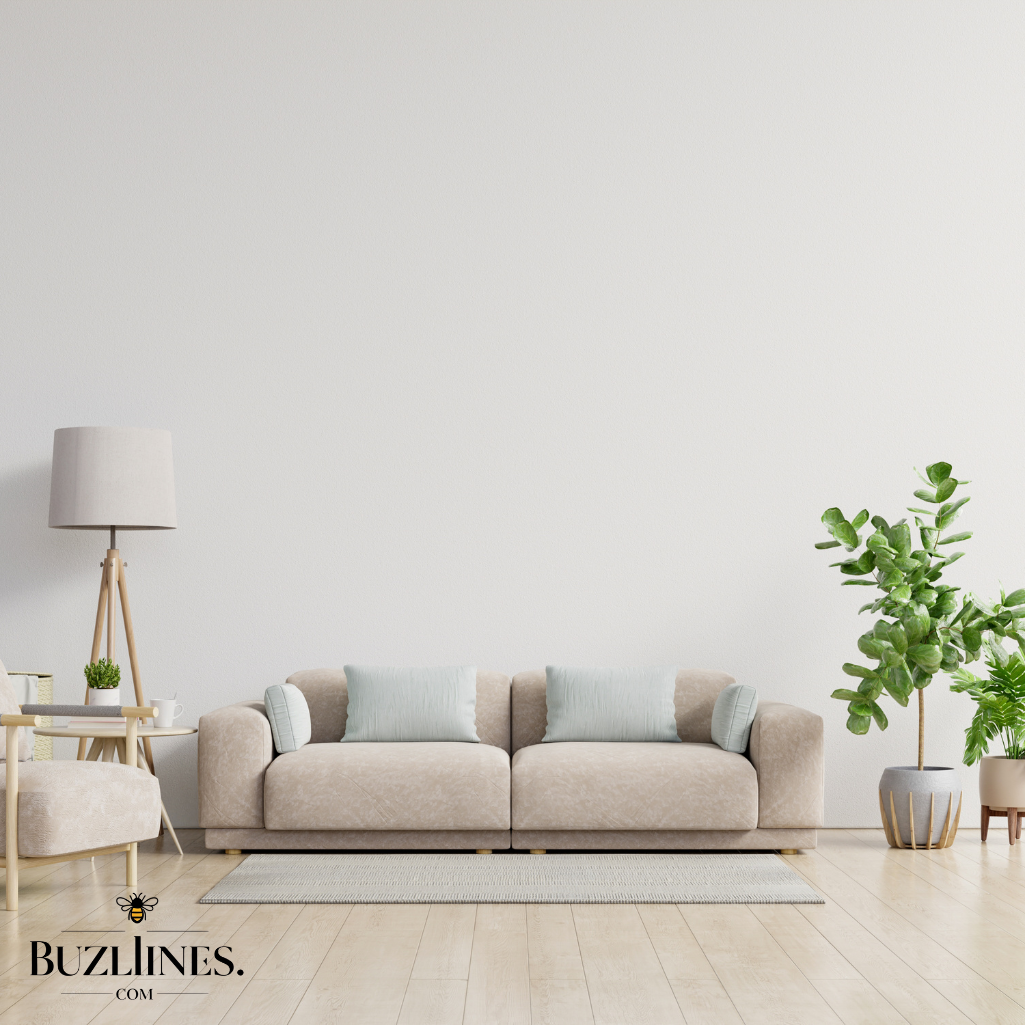
Every piece should earn its keep. Choose items that offer storage, flexibility, or dual functions.
Invest in a Sofa Bed or Convertible Couch
Sofas that transform into beds or lounges offer dual-purpose function and are perfect for small spaces.
Choose Nesting or Folding Tables
Nesting tables slide under each other when not in use. Folding options are easy to stow when you need more floor space.
Ottomans with Hidden Storage
These serve as footrests, extra seating, or even mini coffee tableswith bonus space inside for blankets, remotes, or magazines.
Wall-Mounted Desks
Ideal for hybrid living and working setups. When not in use, they tuck away, giving the illusion of more room.
Embrace Vertical Space and Smart Storage
When floor space is tight, go vertical. Maximize your walls for storage and visual height.
Install Floor-to-Ceiling Shelving
Tall bookcases draw the eye upward and provide ample storage for decor, books, and media.
Use the Backs of Doors
Add hooks or hanging organizers to doors for coats, bags, or extra linens.
Add Over-the-Door Storage
Use over-the-door shelves or caddies for hidden storage that doesn’t crowd your room.
Floating Wall Units
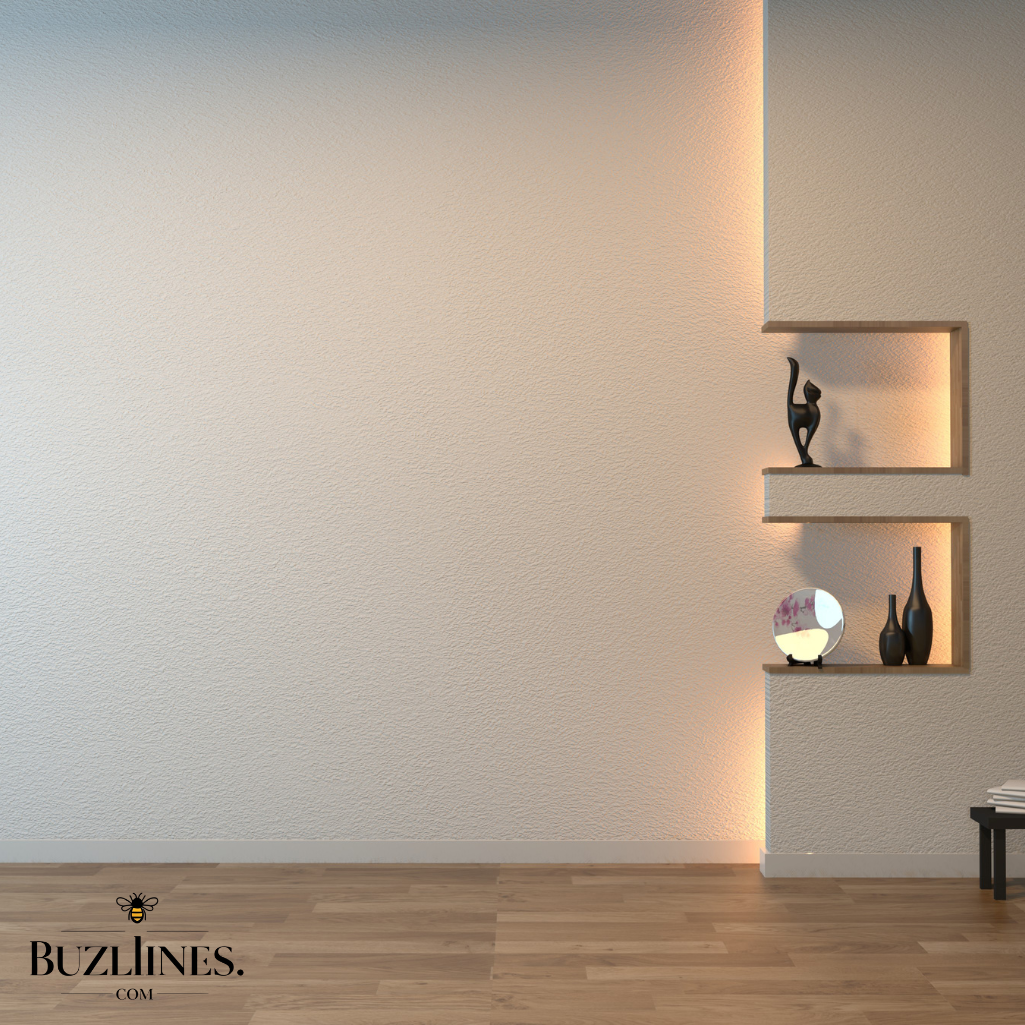
Floating cabinets or open shelving keep the ground clear while displaying personality with curated decor.
Lighten Up: Use Bright and Neutral Colors
Color plays a psychological role in perceived space. Light shades reflect more light and make walls appear to recede, creating an open atmosphere.
Wall Colors
Paint walls in soft whites, pale grays, beiges, or muted pastels. These tones reflect light and make the room feel larger.
Upholstery and Furniture
Choose light-colored furniture fabrics or woods to blend with walls and avoid visual weight.
Avoid Heavy Patterns
Stick to minimalist textures or soft prints that don’t overpower the room.
Add Warmth Through Layers and Texture
Layering adds depth, comfort, and coziness. A mix of tactile surfaces can make the room feel inviting rather than sparse.
Rugs
Use a soft, plush rug to ground the room and add comfort underfoot.
Throw Blankets and Pillows
Choose a mix of knits, velvets, faux furs, or linen. Keep within a tight color palette for unity.
Curtains
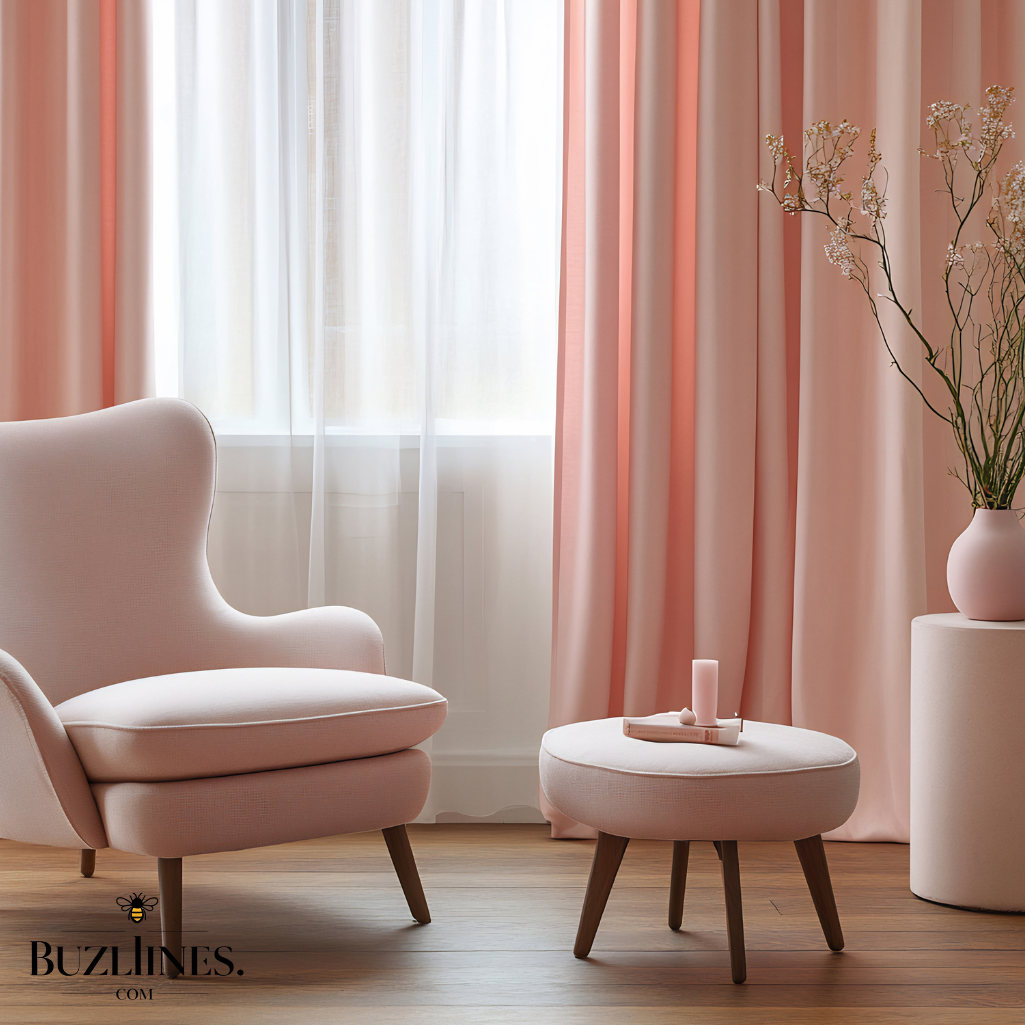
Use long, flowing curtains hung close to the ceiling to create vertical illusion and warmth.
Wall Treatments
Add woven wall hangings, paneling, or textured wallpaper to break up blank walls.
Reflect Space with Mirrors
Mirrors are your optical illusion specialists. They reflect light and extend the visual boundaries of the room.
Placement Ideas:
- Across from windows to reflect natural light
- Above the sofa for symmetry and depth
- Behind a lamp or light source to amplify brightness
Choose round or framed mirrors that match your design style, and consider mirrored furniture for extra sparkle.
Let in Natural Light and Use Ambient Lighting
A well-lit room always feels bigger. Maximize your natural light and complement it with a balanced lighting plan.
Natural Light
Avoid blocking windows with bulky furniture. Use sheer curtains to allow light to filter through.
Layered Lighting
Use a mix of ambient (overhead), task (reading lamps), and accent (wall sconces or LED strips) lighting to add depth.
Reflective Surfaces
Glass tables, glossy paint, or metal decor can enhance how light bounces around the room.
Create Zones for Functionality
Even a small space can have distinct areas for different purposes. This gives your living room a structured, intentional feel.
Lounge Zone
Arrange the sofa, coffee table, and media console into a cohesive square or U-shape layout.
Reading Nook
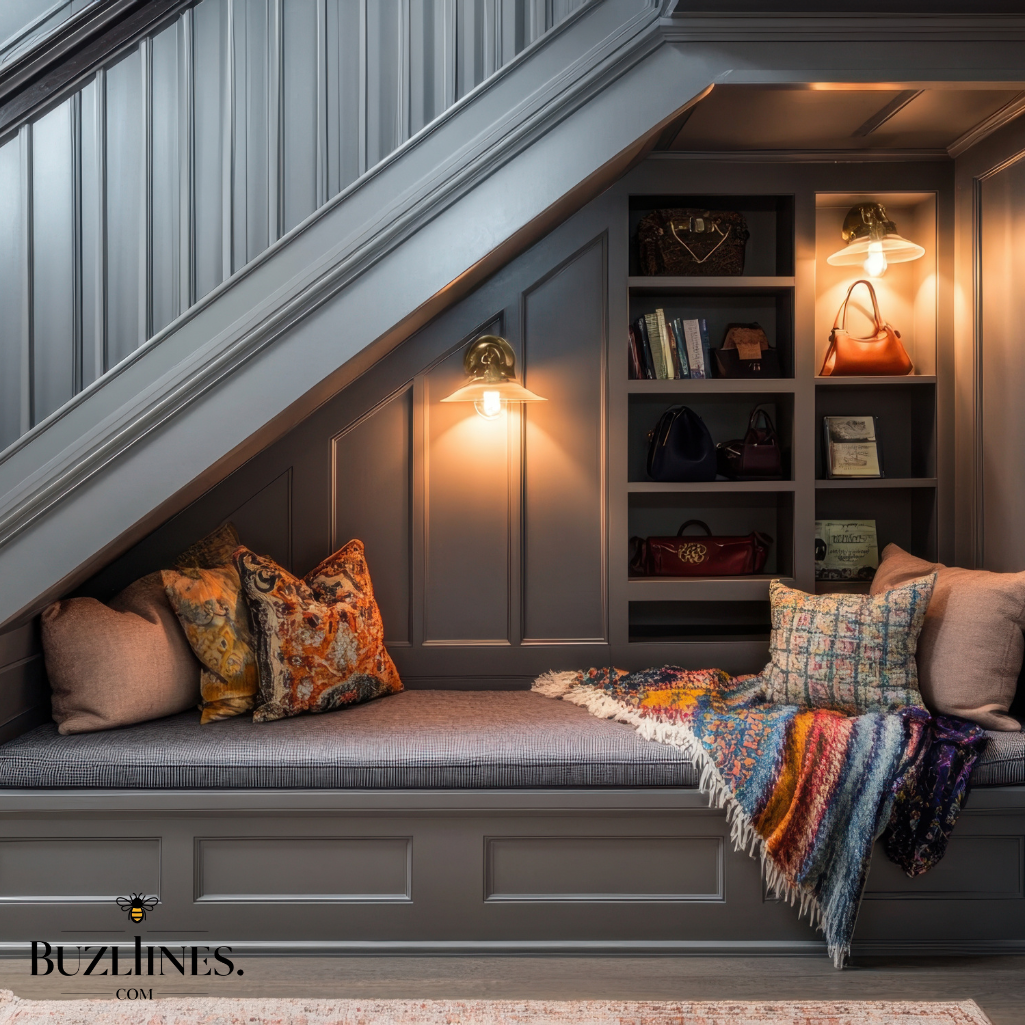
Use an armchair, floor lamp, and small shelf to create a cozy solo corner.
Work Space
Integrate a wall-mounted desk or floating shelf with a chair to carve out a minimalist workstation.
Incorporate Plants for Freshness and Depth
Plants bring a breath of fresh air and natural texture to your space. They also help soften angular layouts.
Small-Space Plant Tips:
- Use hanging planters to save floor space
- Try vertical gardens or wall-mounted pots
- Choose easy-care varieties like snake plants, pothos, or succulents
Plants naturally purify air and add softness to structured or minimal decor.
Choose Art and Decor Thoughtfully
Go for a few impactful pieces rather than cluttering the space with many small items.
Wall Art
Opt for medium or large statement pieces. Group 2–3 cohesive artworks for gallery appeal.
Decorative Accents
Use trays, books, candles, and bowls to bring personality without chaos.
Personal Touches
Display meaningful photos, heirlooms, or travel items sparingly for a curated, intentional look.
Make It Personal: Curate with Intent
Your living room should reflect who you are. Personalizing your space with items that have meaning creates emotional warmth.
Memory Triggers
Display a favorite framed quote, scent, or fabric that reminds you of a fond place or person.
Signature Color or Motif
Introduce a theme or palette unique to your tastes, like coastal tones or botanical prints.
Rotation of Decor
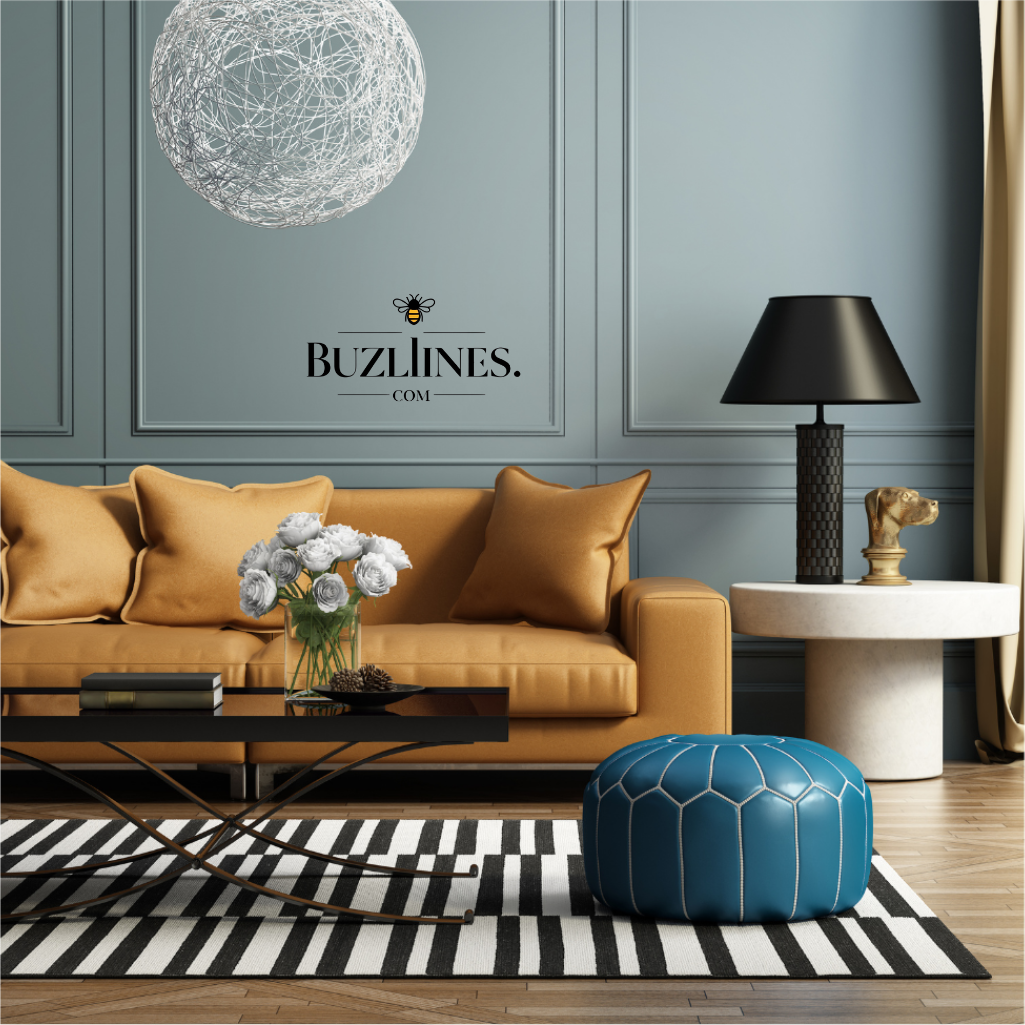
Refresh your space seasonally or as your lifestyle evolves. This keeps it feeling dynamic and current.
Conclusion
A small living room does not have to feel limited or cluttered. With the right choices, it can become your most welcoming and peaceful retreat. By using multifunctional furniture, embracing light and neutral tones, and layering in rich textures and cozy elements, you create a sense of space and comfort that feels both elegant and personal.
When you add vertical storage, thoughtful lighting, and meaningful decor, your living room becomes more than just a place to sit; it becomes a reflection of your lifestyle. The key to success is intentional design. No matter the size of your space, the warmth you create will always feel expansive.

Hi, I’m Ethan Matthews. As the Admin, I ensure our platform runs smoothly while curating the best content to keep your conversations exciting and entertaining.